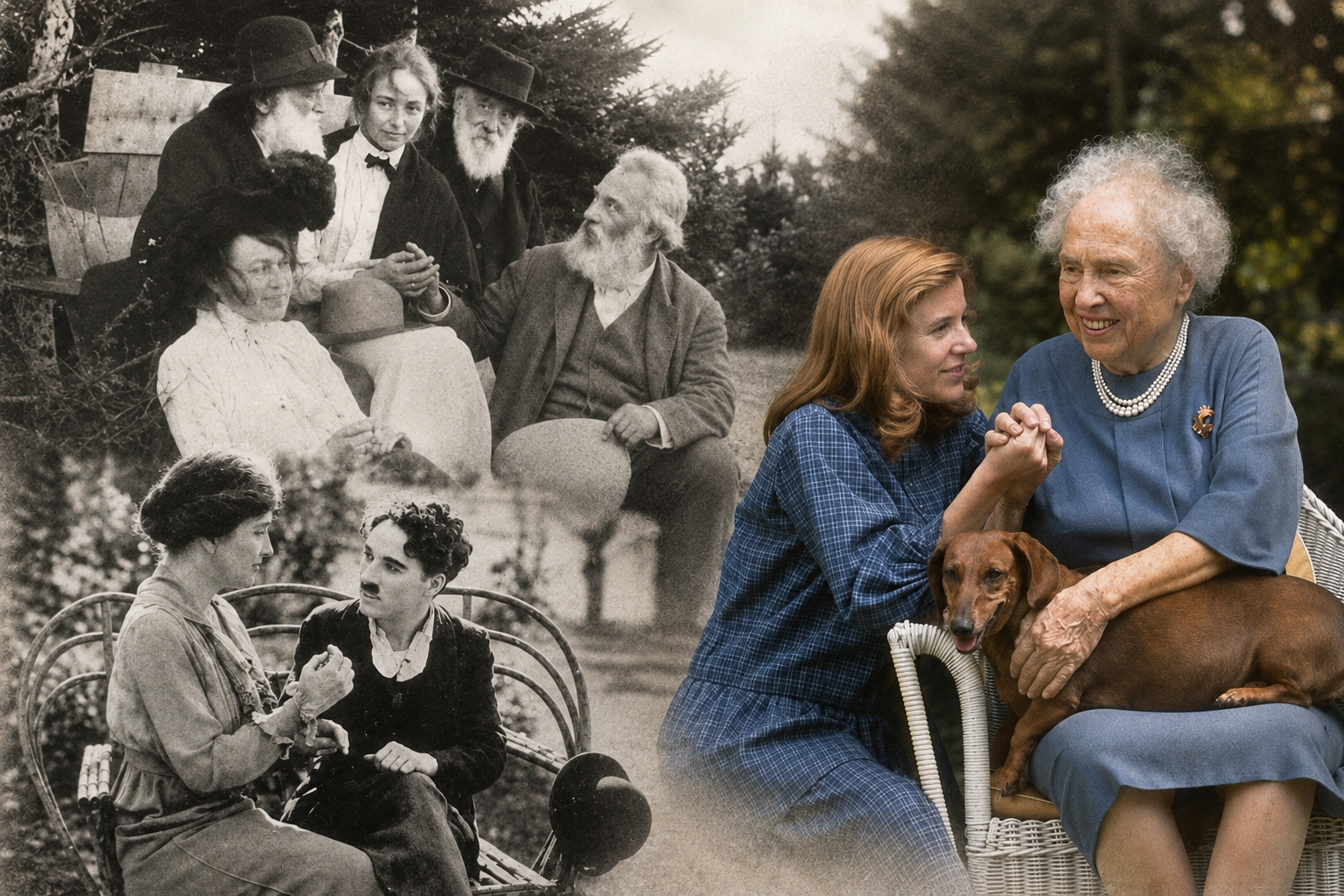

Helen Keller, born in Tuscumbia, Alabama, in 1880, is one of the most inspirational figures in American history. Despite being rendered blind and deaf at just 19 months old, Keller overcame these immense obstacles and became a renowned author, political activist, and lecturer, leaving an indelible mark on the world.
Early Life in Tuscumbia
Helen Keller’s childhood home, Ivy Green, located in Tuscumbia, still stands today as a museum honoring her life and legacy. This is where Anne Sullivan, her lifelong teacher, arrived to begin what would become one of the most famous teacher-student relationships in history. Sullivan taught Keller to communicate through sign language, opening up a world of possibility for the young girl.
Keller’s Impact on Education and Disability Rights
As an adult, Keller attended Radcliffe College, where she became the first deaf-blind person to earn a Bachelor of Arts degree. She became a staunch advocate for people with disabilities, tirelessly working for the American Foundation for the Blind and promoting access to education, literacy, and equal rights for those with disabilities.
Legacy and Global Influence
Helen Keller’s legacy continues to inspire people around the world. Ivy Green in Tuscumbia remains a popular tourist destination, attracting visitors who are fascinated by Keller’s perseverance and her significant contributions to society.
Helen Keller in Modern Culture
Keller’s story has been immortalized in plays, films, and literature, including the famous “The Miracle Worker,” which details her life-changing relationship with Anne Sullivan.